CALGARY SPECIALISTS
Drug Residue Testing for Vehicles and Properties
When methamphetamine, cocaine, fentanyl or another illicit substance may be present, appearance alone cannot provide a reliable answer.
Mayken provides professional drug residue testing for vehicles and properties across Calgary and Southern Alberta. Testing can help clients make informed decisions before cleaning, resale, occupancy, decontamination or remediation.
Our process is discreet, documented and shaped by the circumstances surrounding the concern. We review what is known, assess the vehicle or property and explain the next practical step without overstating what a test can prove.
WHY IT MATTERS
Not Every Concern Requires the Same Response
Some clients know that drug activity occurred. Others are dealing with an uncertain vehicle history, an auction purchase, a recovered property or incomplete information from a previous owner, insurer or tenant.
Drug residue testing may be appropriate when:
- A stolen vehicle has been recovered
- A vehicle was purchased through an auction
- An auction vehicle was written off or sold under unclear circumstances
- A vehicle displays a biohazard label but the contamination history is incomplete
- A biohazard cleaning reveals evidence of illicit substances
- A used vehicle has an uncertain ownership or incident history
- Methamphetamine, cocaine, fentanyl or another illicit substance is suspected inside a vehicle
- A dealership or fleet operator needs documentation before resale or return to service
- A residential or commercial property was purchased through an auction
- An auction property may have been connected to a grow-op or clandestine drug lab
- A rental property may have been exposed to drug use, storage or production
- A landlord is preparing a unit for new occupants
- A property manager needs documentation before approving work
- An insurer requests supporting information
- A vehicle or property has been visibly cleaned but concerns remain
- A homeowner wants clarity before committing to remediation
Auction purchases deserve particular attention because the available records may not explain the entire contamination history. A biohazard label may identify one known issue while leaving other concerns undocumented. Testing can help establish a clearer starting point.
The purpose is not to assume the worst. It is to gather better information before deciding what should happen next.
THE CHALLENGE
A Clean Appearance Is Not the Same as a Clear Finding
Drug residue is not always visible. It may remain on surfaces, fabrics, fixtures and interior materials after methamphetamine, cocaine, fentanyl or other illicit substances have been used, transported, handled or stored.
Odour is not a dependable indicator. Neither is the absence of visible powder, staining or drug paraphernalia.
This can become especially important with auction vehicles and properties. An insurer, auction company or former owner may document a known biohazard without identifying every substance that was present. In some cases, Mayken has encountered illicit substance concerns during biohazard cleaning after the original label or available history did not identify them.
Professional drug residue testing can help:
- Investigate concerns that are not explained by the available documentation
- Identify sampled areas that may require further attention
- Support decisions about decontamination or remediation
- Create a documented record for internal, insurance or property-management review
- Help dealerships and fleet operators follow a consistent assessment process
- Give homeowners, buyers and landlords clearer next steps
A test result provides information about the substances and areas assessed. It should not be interpreted as a permanent health clearance, legal certification or guarantee covering every surface.
Vehicle and Property Testing
Drug Testing Built Around the Situation
Vehicle interiors contain fabric, carpeting, plastic, vinyl, foam and other materials that can respond differently to contamination and cleaning.
An auction listing may contain limited information about why a vehicle was written off, labelled as a biohazard or removed from regular use. A biohazard label can identify a genuine concern, but it may not explain every substance or event connected to the vehicle. Visible cleaning may also have occurred before the current owner receives it.
Substances Tested
- Methamphetamine
- Cocaine
- Fentanyl
- Other illicit substances identified during the assessment
Vehicle Categories
- Stolen and recovered vehicles
- Auction vehicles
- Written-off vehicles
- Vehicles carrying biohazard labels
- Personal vehicles with suspected contamination
- Dealership and trade-in vehicles
- Fleet vehicles
- Insurance-related assessments
- Vehicles connected to suspected drug use, storage or transportation
Testing Auction and Written-Off Vehicles
- Repair work begins
- The vehicle is detailed
- Interior components are replaced
- The vehicle is resold
- The vehicle returns to personal or commercial use
- A larger decontamination decision is made
COMMON DEMAND
Real Situations That Often Lead to Testing
1. A Vehicle Was Stolen and Recovered
The owner may not know how the vehicle was used, what substances were inside it or what happened before it was recovered. Testing can help provide direction before the vehicle returns to normal use.
2. A Used Vehicle Has an Unclear History
A dealership, buyer or fleet operator may have concerns based on the vehicle’s background, condition or previous ownership. Testing can add information that a visual inspection cannot provide.
3. A Rental Unit Has Turned Over
A landlord may receive reports of drug activity, find suspicious materials or face uncertainty after a tenant leaves. Property drug testing can help guide the next decision before re-renting or renovating.
4. A Property May Have Been Used for Drug Activity
The concern may relate to drug use, handling, storage or production. These situations do not all carry the same level of risk and should not be treated as though they do.
5. A Dealership Needs a Repeatable Process
Dealerships may need a clear internal pathway for vehicles with uncertain histories. A consistent testing process can reduce guesswork and support better documentation.
6. A Fleet Operator Needs Reliable Records
Fleet managers often need more than verbal reassurance. Testing can support internal records, insurance communication and return-to-service decisions.
7. A Homeowner Is Unsure What to Do First
Some homeowners call after receiving conflicting advice. Testing may be useful before remediation, but in other cases the available evidence may support moving directly to a cleanup response.
OUR METHOD
A Clear Process From First Call to Next Step

Submit a Request or Call
Tell us if the concern involves a vehicle or property, where it is located and what prompted the request.
- Theft or recovery history
- Suspected drug activity
- Visible evidence
- Previous cleaning
- Police or insurance involvement
- Reason documentation is needed
- Known or suspected substance

We Review the Situation
The first step is not always testing. Mayken reviews the available information to determine what type of assessment may be appropriate and whether testing is the most useful next step.

The Vehicle or Property Is Assessed
The site or vehicle is reviewed based on the known history and areas of concern. Sampling areas should be selected with purpose. Random testing may miss the surfaces most relevant to the situation.

Samples Are Collected
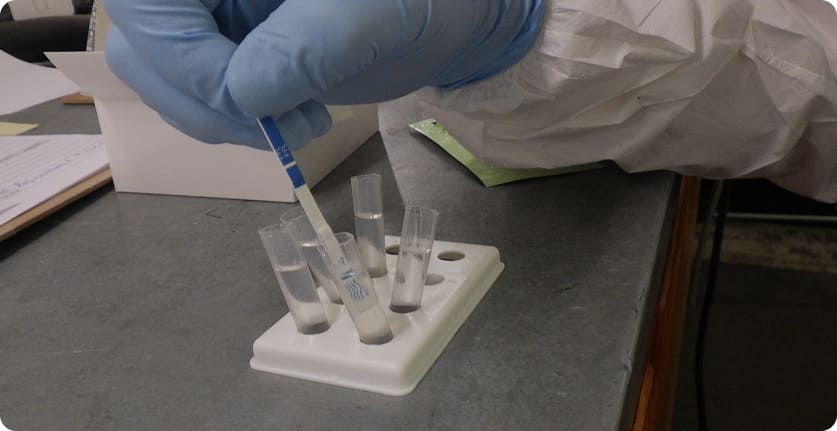
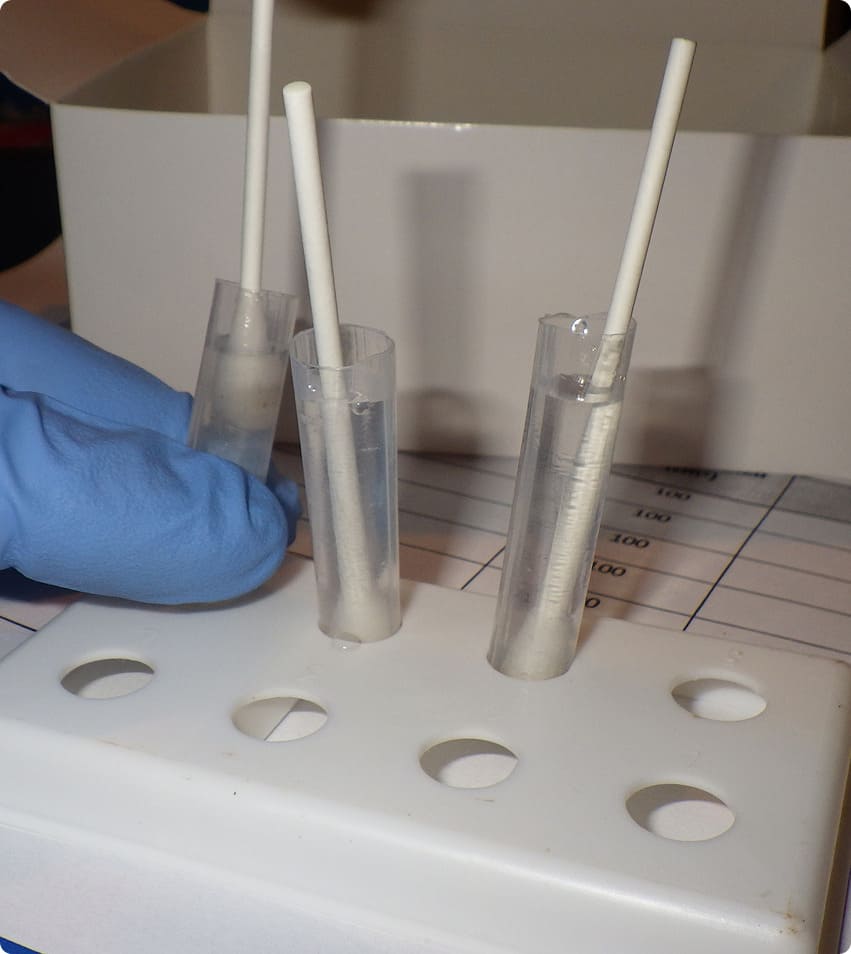
Samples are collected from selected areas using the process suited to the assessment. The exact method may vary based on the substance of concern, surface type, location and documentation needs.

Testing Is Completed
Depending on the situation, the process may involve field screening, laboratory analysis or another suitable testing method. Mayken does not present every project as though it follows one identical process.

Findings Are Documented
The client receives the available findings and supporting documentation related to the service completed. The documentation should be interpreted within the scope of the assessment, including where samples were collected and what the testing was intended to determine.

Next Steps Are Reviewed
If a concern is identified, Mayken can explain the next practical step.
- Additional testing
- Vehicle decontamination
- Property remediation
- Drug lab or grow-op remediation
- Odour treatment
- Biohazard waste handling
- Further assessment by another qualified party where required
Testing findings do not provide a permanent safety guarantee, medical conclusion or legal clearance.
KNOWLEDGE BASE
What Drug Residue Is and Why It Can Be Missed
Drug residue is material left behind after methamphetamine, cocaine, fentanyl or another illicit substance has been used, handled, stored, transported or produced.
There is no universal expiry date for drug residue on a surface.
Depending on the substance, surface and surrounding conditions, residue may remain for months, years or longer when it has not been properly removed. A property or vehicle changing ownership does not change the condition of untreated contamination.
Depending on the substance, surface and surrounding conditions, residue may remain for months, years or longer when it has not been properly removed. A property or vehicle changing ownership does not change the condition of untreated contamination.
Research has also described fentanyl spills as capable of creating persistent contamination on indoor surfaces. This is one reason contaminated areas require deliberate assessment and controlled cleaning rather than ordinary wiping or detailing.
Why Old Residue Can Still Matter
Over time, residue may:
- Remain on sealed or porous materials
- Transfer from a contaminated surface to hands, clothing, tools or other objects
Over time, residue may:
- Remain on sealed or porous materials
- Transfer from a contaminated surface to hands, clothing, tools or other objects
- Spread to additional surfaces through cleaning or handling
- Become airborne if contaminated dust or powder is disturbed
- Remain in overlooked areas after visible cleaning
- Produce positive findings long after the original activity occurred
The chance of material becoming airborne depends on its form and how the area is disturbed. CDC guidance identifies activities that can cause illicit drug material to enter the air as an important part of an on-site risk assessment.
Surface Contact and Cross-Contamination
Drug residue can transfer from a surface to hands, clothing, tools and other objects. From there, it can reach the eyes, nose or mouth when someone touches their face.
Do not assume fentanyl residue is safe to leave on the skin.
Drug residue can transfer from a surface to hands, clothing, tools and other objects. From there, it can reach the eyes, nose or mouth when someone touches their face.
Do not assume fentanyl residue is safe to leave on the skin. Brief contact with dry powder on intact skin is unlikely to cause opioid toxicity, but moisture changes the conditions of contact. Sweat or water can help powder dissolve, and creams or moisturisers may affect how residue remains in contact with the skin. Liquid or dissolved fentanyl can be absorbed through skin, particularly when contact is prolonged, a larger area is exposed, the skin is warm or there are cuts or other breaks in the skin. Skin looking or feeling dry is not a reliable safety check.
Contact with the eyes, nose or mouth, or entry through a cut, open wound or puncture, creates a different route of exposure from contact with intact skin. Avoid touching your face or disturbing suspected material. If residue contacts your skin, wash all affected areas promptly with soap and water. Do not use alcohol-based hand sanitizer or bleach on contaminated skin. Remove contaminated clothing carefully. If material reaches your eyes, nose or mouth or enters broken skin, seek prompt medical advice. If someone has slowed breathing or reduced consciousness, call 911 and administer naloxone if available.
Why Visible Cleaning May Not Be Enough
Standard cleaning is generally intended to remove dirt, improve appearance or reduce odour. Drug decontamination has a different purpose and may require substance-specific procedures.
Residue persistence and test findings can be affected by:
Standard cleaning is generally intended to remove dirt, improve appearance or reduce odour. Drug decontamination has a different purpose and may require substance-specific procedures.
Residue persistence and test findings can be affected by:
- The substance involved
- The amount and form of the material
- The level and duration of activity
- The surface material
- Cleaning history
- Ventilation
- Temperature and humidity
- Movement of people or equipment
- Where samples are collected
- How the area was used
This is why Mayken assesses the history and environment rather than applying one assumption to every vehicle or property.
LEARN MORE
Frequently Asked Questions
How long does drug residue last?
Drug residue can remain for months, years or potentially longer when it is left untreated. There is no universal timeline. The substance, surface, amount of contamination, environmental conditions and cleaning history all affect how long it may remain detectable.
How long does drug residue last in a car?
Residue may remain inside a vehicle long after the original incident, including after ordinary detailing. Fabric, carpet, foam, plastic and ventilation components can retain or redistribute contamination differently. Testing is needed to assess a specific vehicle.
How long can methamphetamine residue remain?
Methamphetamine residue may remain on indoor surfaces until it is properly removed. Time alone should not be treated as a decontamination method. The property or vehicle history, affected materials and previous cleaning should all be considered.
How long does cocaine residue last on surfaces?
Cocaine residue does not have a predictable expiry period on indoor surfaces. It may remain detectable until the affected material is cleaned or removed. Surface type, contamination level, moisture and prior cleaning can influence the findings.
How long does fentanyl residue remain on surfaces?
Fentanyl contamination can persist on indoor surfaces when it has not been properly addressed. The exact period depends on the amount, form, surface and environmental conditions. Because fentanyl is highly potent, suspected contamination should be assessed without handling or disturbing the material unnecessarily. Research supports treating fentanyl spills as a source of persistent surface contamination.
Are auction vehicles commonly tested for drug residue?
Testing may be appropriate when an auction vehicle has an unclear history, was written off, carries a biohazard label or contains signs of suspected drug activity. The auction documentation may only identify the known reason for sale and may not account for every contamination concern.
Can old drug residue become airborne again?
Contaminated powder or dust may become airborne when it is disturbed by sweeping, vacuuming, compressed air, demolition or other activity. The risk depends on the substance’s form, amount and condition. Suspected materials should not be disturbed before the situation is assessed.
Can drug residue transfer through touch?
Yes. Residue can transfer to hands, clothing, tools and other objects, then reach the eyes, nose or mouth or a cut or open wound. Brief incidental contact with fentanyl powder on intact skin is unlikely to cause opioid toxicity, but it should not be ignored. Sweat or water can help powder dissolve, and creams or moisturisers may change how it contacts skin. Liquid or dissolved material, prolonged contact and broken skin need added caution. Avoid touching your face, wash all affected skin promptly with soap and water, and remove contaminated clothing carefully. Do not use alcohol-based hand sanitizer on contaminated skin. Seek prompt medical advice if material reaches the eyes, nose or mouth or enters broken skin.
Should an auction property be tested before renovation?
Testing may be appropriate when the property history is unclear or there are signs of a former grow-op, clandestine drug lab or repeated drug activity. Assessment before renovation can help avoid disturbing contaminated materials and guide the scope of any required remediation.
What type of drug test do car dealerships use?
Testing methods vary by dealership and situation. Surface sampling, field screening and laboratory analysis may be used depending on the substance of concern and the documentation required. A visual inspection or biohazard label alone may not identify every illicit substance present.
Do I need testing before decontamination?
Not in every case. Testing may help identify the substance, affected areas or scope of concern. When clear evidence of contamination is already present, Mayken may recommend proceeding directly to an appropriate response. The decision should be based on the available evidence and intended use of the results.
Can one negative result confirm the entire vehicle or property is clear?
No. A result applies to the sample locations, substances assessed and scope of the testing. It should not be interpreted as proof that every surface is free from contamination.
ACCOUNTABILITY
Testing Backed by Hazmat Experience
Drug residue testing should not be treated as a stand-alone kit or a quick surface check. The real value comes from knowing how the testing fits within a larger contamination response.
Mayken has served Alberta since 2006 with a focus on hazardous cleaning, biohazard response, vehicle decontamination and drug-related remediation.
The team works with personal vehicles, recovered vehicles, fleets, insurers and institutional clients dealing with drug residue, bodily fluids and other contamination concerns.
Mayken understands the difference between suspected surface residue, repeated drug activity and situations that may require a broader drug lab or grow-op response.
Mayken uses structured reporting, internal quality controls and photo documentation where appropriate. This supports clearer communication for clients who need more than verbal reassurance.
Vehicle and property testing often involves sensitive information. Mayken protects client privacy and avoids unnecessary exposure of identifiable details.
Mayken’s work is supported by COR certification, IICRC training, documented procedures and established hazardous cleanup experience.
Mayken is based in Calgary and serves Central and Southern Alberta, with extended availability depending on the location and scope.
A testing company may be able to collect a sample. Mayken can also help the client understand what the finding means, what it does not mean and where testing fits within the next stage of the response. That is the difference between receiving a result and receiving useful direction.
Get Clear Information Before Making the Next Decision
Concerned about possible drug residue in a vehicle or property?
Tell Mayken what happened, what is known and what decision the testing needs to support. A member of the team will review the information and contact you to discuss: the nature of the concern, the vehicle or property involved, relevant history, previous cleaning, testing options, service availability, and the next appropriate step.
Testing is available for: Personal vehicles · Stolen and recovered vehicles · Dealership vehicles · Fleet vehicles · Rental properties · Residential homes · Estate properties · Commercial spaces
Service Inquiry Form
After submission, Mayken will review the information and contact you to discuss the concern, service availability and the most suitable next step. Submitting the form does not confirm that testing is required or that a specific result can be guaranteed.