A rental unit can look like a normal turnover at first. The tenant is gone, the keys are back, and the next step seems simple: send in cleaners, repair the damage, take photos, and get the property listed again.
Then the details start showing up.
A strange odour that does not fade. Stains under furniture. Rotten food in the fridge. Pet urine soaked into flooring. Needles in a drawer. Mould behind a bedframe. Burn marks near a bathroom sink. Drug residue on surfaces that may not look dangerous at all.
For landlords and property managers, this is the line between routine cleaning and risk. A regular cleaner can handle dust, dirt, and visible mess. A hazardous cleanup team is needed when the space may contain biological waste, chemical contamination, mould, sharps, bodily fluids, or other materials that can affect the next person who enters.
This guide breaks down the signs that a rental property needs more than a standard cleaning, how to spot risk early, and why biohazard cleanup property management should be treated as a safety and liability decision, not just a maintenance task.
Jump To:
Standard Cleaning Has Limits
Standard cleaning is built around appearance. It makes a property look presentable.
That usually includes:
- removing garbage
- wiping surfaces
- cleaning kitchens and bathrooms
- vacuuming or mopping floors
- deodorizing rooms
- preparing the unit for repairs, showings, or new tenants
That type of work matters, but it is not designed for contamination.
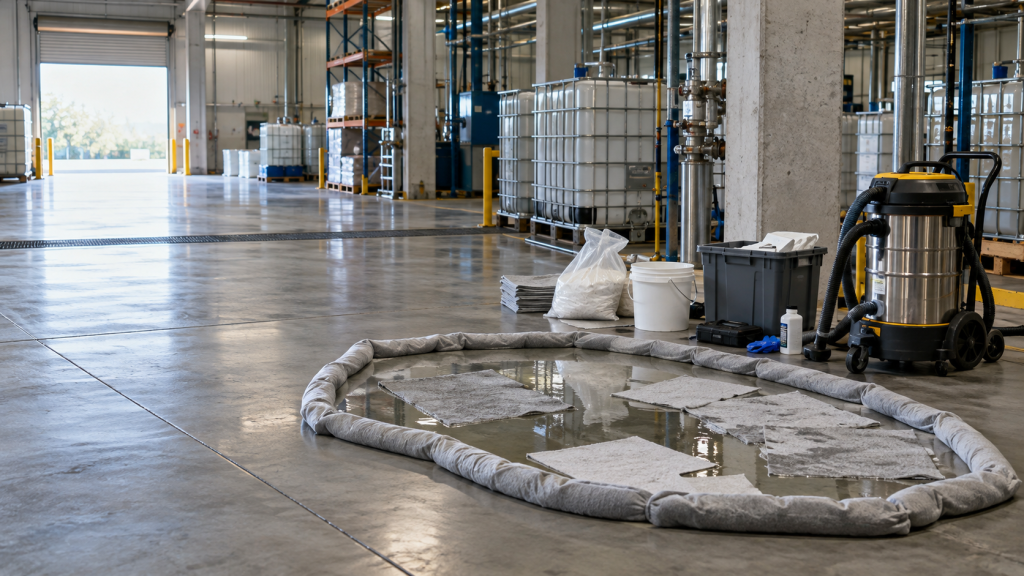
Hazardous cleaning is different. It focuses on exposure risk, safe removal, disinfection, containment, odour source reduction, and documentation. In difficult tenant turnovers, this distinction matters because the property may look better after a basic clean while still holding contaminants under flooring, inside vents, behind appliances, or within porous materials.
This is where landlords can unintentionally create bigger problems. If the wrong person starts cleaning before the property has been assessed, contamination can spread, staff can be exposed, and the real source of the issue may get buried under paint, new flooring, or air freshener.
Sign 1: The Odour Does Not Match a Normal Vacancy
Every empty unit has some kind of smell. A stale fridge, closed windows, old carpet, or leftover garbage can create temporary odours.
The concern starts when the odour is stronger, unusual, or hard to place.
Pay close attention to:
- chemical smells
- ammonia-like odours
- strong pet urine
- rot or decay
- sewage smells
- smoke or burnt plastic
- musty air
- odours that return after cleaning
Odour is often a clue, not the full problem. Pet urine can reach under carpet and into subflooring. Mould can grow behind drywall or under baseboards. Chemical smells can point to substance use, contaminated materials, or unsafe disposal.
A rushed clean may reduce the smell for a few days, but if the source remains, the problem usually returns.
Sign 2: There Are Signs of Drug Activity
Suspected drug use or drug production should change the entire cleanup plan.
Warning signs may include:
- pipes, foil, needles, or other paraphernalia
- powdery material or unknown residue
- burn marks on counters, tubs, sinks, or flooring
- chemical containers
- covered windows or blocked vents
- unusual staining around bathrooms or kitchens
- strong smoke or chemical odours
The challenge with drug residue is that the risk is not always visible. A property does not need to look extreme for contamination to be present. Residue can remain on high-touch surfaces, soft materials, vents, flooring, furniture, and items left behind.
Alberta’s fentanyl remediation guidance was created for agencies and workers managing risks tied to properties and materials contaminated with fentanyl. That alone shows why suspected drug contamination should not be handled like a normal turnover clean.
Mayken has discussed this further in its blog on drug busts and hidden contamination in properties, which is especially useful for landlords dealing with suspected illicit substance activity.
Sign 3: There Is Blood, Bodily Fluid, or Other Biological Waste
Some situations are clearly outside the scope of standard cleaning.
Blood, bodily fluids, feces, urine, vomit, and other biological materials require careful handling because they may carry infection risks. The CDC advises using proper decontamination methods and disinfectants effective against bloodborne pathogens when blood or body fluids are involved.
This applies to more than trauma scenes. Rental properties can involve biological contamination after:
- injuries
- medical events
- pet neglect
- hoarding
- severe illness
- abandoned units
- long-term unsanitary conditions
- deceased tenant situations
One small stain may not tell the whole story. Fluids can soak through carpet, underlay, furniture, mattresses, subfloors, and cracks in hard surfaces. Cleaning what is visible may leave the deeper contamination untouched.
That is why a property manager should pause before sending in a general cleaner or maintenance worker. In some cases, the person cleaning the unit may be the one placed at risk.
Sign 4: Pet Waste Has Affected Flooring or Walls
Pet damage is often treated as a normal rental issue, but heavy urine and feces contamination can become a biohazard concern.
Watch for:
- strong ammonia smells
- stained carpet or baseboards
- damaged trim
- soaked underlay
- urine staining on concrete
- feces in multiple rooms
- contaminated furniture left behind
- insect activity around waste
The visible waste is only part of the issue. Urine can travel into seams, cracks, subflooring, and wall edges. In severe cases, removing carpet is not enough because contamination may remain below it.
This is one reason rental cleanup decisions should be based on the condition of the property, not just the category of the mess. A lightly soiled carpet is one thing. A unit with widespread animal waste, odour, and contaminated materials is another.
Sign 5: Mould Appears During Turnover
Mould often becomes visible after a tenant leaves because furniture is moved, blocked vents are exposed, or hidden leaks are found.
Common areas include:
- bathrooms
- around windows
- behind beds and couches
- under sinks
- near laundry areas
- behind baseboards
- under carpet
- around exterior walls
Health Canada states that indoor mould growth may pose a health hazard and recommends fixing moisture issues and cleaning visible or concealed mould. That matters during property turnover because a quick cosmetic repair can hide moisture problems without solving them.
Mould is not just a visual issue. It can affect indoor air quality, future tenant comfort, repair timelines, and the long-term condition of the property.
If mould is found during turnover, a mould removal and remediation service can help assess the source, affected materials, and cleanup needs before the next occupancy.
Sign 6: The Unit Was Abandoned or Left in Severe Neglect
Abandoned units often carry layered risks.
A landlord may find:
- spoiled food
- garbage buildup
- contaminated mattresses
- pest activity
- water damage
- hoarding conditions
- animal waste
- drug paraphernalia
- damaged plumbing
- biohazard materials
- odour that has settled into porous surfaces
The issue is not only that the unit looks bad. The issue is that several risks may overlap.
Rotten food can attract pests. Pests can leave droppings and urine. Moisture can support mould growth. Drug use may leave residue. Hoarding conditions can hide sharps, waste, and biological materials under piles of belongings.
Sign 7: Pests Have Left More Than an Annoyance
Rodents, insects, and other pests are more than a nuisance when contamination is present.
Concerns may include:
- droppings
- urine
- nesting materials
- damaged insulation
- contaminated storage areas
- insects around spoiled food or waste
- odour from hidden activity
Sweeping or vacuuming droppings without the right controls can create exposure concerns. The same goes for disturbing nesting areas, insulation, or heavily contaminated storage spaces.
If pests are found alongside garbage, mould, animal waste, or abandoned belongings, the property likely needs more than basic cleaning.
Sign 8: Cleaners or Contractors Are Hesitant to Enter
This is one of the clearest practical signs.
If cleaners, contractors, maintenance workers, or realtors are uncomfortable entering the property, that reaction should be taken seriously.
They may notice:
- unsafe odours
- unknown residue
- sharps
- heavy biological waste
- structural damage
- signs of drug activity
- severe mould
- pest contamination
- air quality concerns
In biohazard cleanup property management, hesitation from the people on-site is useful information. It often means the property needs assessment before anyone begins cleaning, repairing, showing, or quoting work.
It is better to pause for the right evaluation than to expose workers or create a bigger remediation issue.
Why DIY Cleanup Can Cost More Later
Trying to save money with a quick clean can lead to higher costs if the wrong cleanup method spreads contamination or misses the source.
Common mistakes include:
- painting over odour instead of finding the source
- removing carpet without checking the subfloor
- using household disinfectants on unknown contamination
- vacuuming residue, droppings, or debris
- moving contaminated furniture through common areas
- failing to document the original condition
- sending staff in without PPE
- assuming visible cleanup means the unit is safe
The Canadian Centre for Occupational Health and Safety notes that visible dirt should be cleaned before disinfectant is applied and that disinfectants should be used according to label directions. That is an important reminder: disinfection is a process, not a shortcut.
What a Hazardous Property Cleanup May Include
Each property is different, but hazardous property cleanup may involve:
- site assessment
- hazard identification
- PPE planning
- containment where needed
- safe removal of contaminated contents
- cleaning and disinfection
- odour source reduction
- mould remediation
- handling of porous materials
- sharps awareness
- documentation
- recommendations for next steps
Property cleaning and remediation services are built for these situations, especially when landlords or property managers need a clear path from unsafe conditions to a property that can move forward.
Costs depend on the type of contamination, size of the affected area, disposal needs, urgency, labour, PPE, and documentation requirements.
Why Documentation Matters for Property Managers
A standard clean may leave little record beyond an invoice. That may not be enough when a property involves contamination.
Documentation can help with:
- owner communication
- insurance conversations
- contractor coordination
- tenant dispute records
- internal reporting
- future maintenance planning
- proof that the situation was taken seriously
This is especially important for landlords managing multiple properties or property managers reporting back to owners. In high-risk situations, documentation is not paperwork for the sake of paperwork. It helps create clarity.
Mayken’s work in public and high-risk environments also ties into broader biohazard education. Our article on biohazards on Calgary CTrains shows how quickly cleanup decisions can shift when biological contamination is involved.
When to Call Mayken
A rental property likely needs more than standard cleaning when there are signs of:
- drug residue
- suspected illicit substance use
- sharps or paraphernalia
- blood or bodily fluids
- pet feces or urine saturation
- rotten food and pest activity
- mould or moisture damage
- hoarding conditions
- strong odours that return after cleaning
- abandoned contents with unknown contamination
- worker discomfort entering the unit
The safest next step is not to guess. It is to have the property assessed before cleanup begins.
Protect the Property Before the Next Step
A rental unit does not have to look extreme to carry real risk. Some hazards are obvious from the doorway. Others sit under flooring, behind walls, inside vents, or on surfaces that appear clean.
For landlords and property managers, the goal is simple: protect the next tenant, protect workers, reduce liability, and get the property back into use with confidence.
Mayken Hazmat Solutions supports landlords, property managers, realtors, estate contacts, and commercial property owners across Calgary and surrounding areas with hazardous cleaning, remediation, mould removal, disinfection, and documented property cleanup.
If a unit shows signs of contamination, severe neglect, drug residue, biological waste, mould, pests, or odour that does not feel normal, contact Mayken before standard cleaning begins.
Book a hazardous property cleanup assessment today and get a safer path forward.