Some rental units are left spotless. Others are left with rotting food, pet waste, mould, blood, drug paraphernalia, or signs of severe neglect that go far beyond a standard cleaning job.
For landlords and property managers, tenant turnover can quickly shift from a routine handoff into a liability issue. A property may look manageable at first glance, only to reveal hidden contamination after furniture is removed, odours settle in, or contractors begin work.
In some cases, the biggest concern is what you cannot immediately see. Drug residue can remain on surfaces long after visible evidence is gone. Bodily fluids, pest contamination, mould, and biological waste can spread into flooring, vents, drywall, and porous materials.
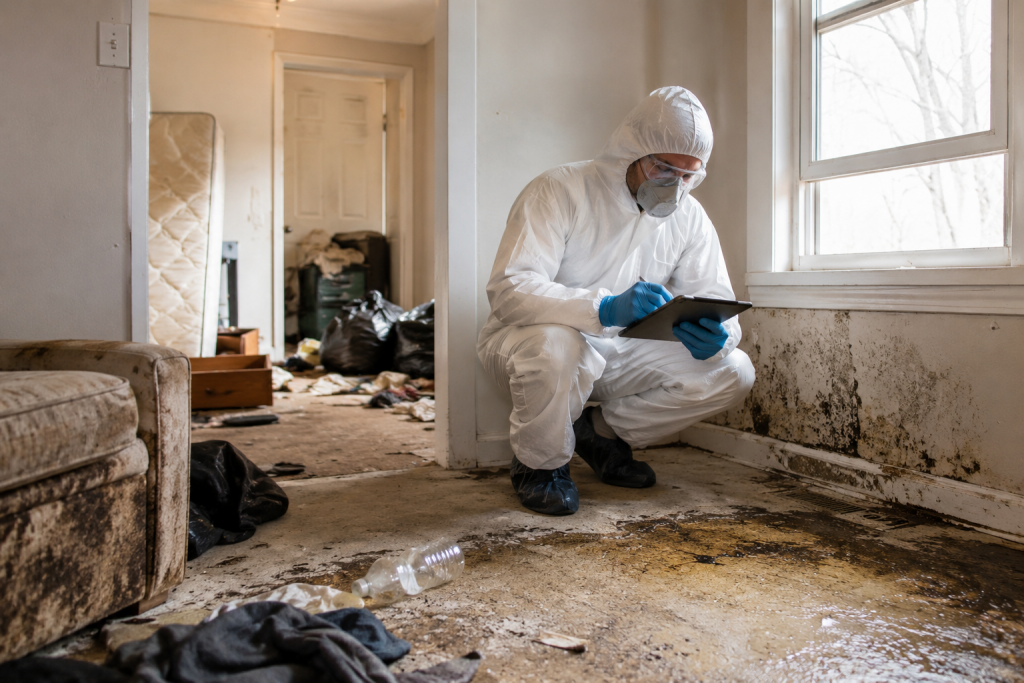
In other situations, the danger is obvious from the moment the door opens. Evictions, abandoned units, hoarding conditions, and heavy neglect can leave behind unsafe conditions that put cleaners, maintenance staff, future tenants, and property owners at risk.
This is where many landlords make the wrong call. They treat a hazardous property like a difficult cleaning job instead of a contamination issue.
This guide breaks down the visible and hidden biohazard risks after a tenant leaves, what warning signs should never be ignored, and when it is time to bring in a certified hazardous cleanup team instead of attempting a DIY turnover cleanup.
Jump To:
Why Tenant Turnover Can Hide More Than Surface Mess
A rental unit can be “empty” and still unsafe.
Some contaminants are visible. Others settle into flooring, walls, vents, porous materials, and high-touch surfaces. Drug contamination, bodily fluids, sharps, rodent droppings, mould, spoiled food waste, and chemical residues can remain after the tenant is gone.
This matters because standard cleaning is built for dirt, dust, and appearance. Hazmat cleaning is built for risk reduction, containment, safe removal, and proper disinfection.
Alberta’s fentanyl remediation guidance was created for agencies and trained workers managing contamination risks in properties and materials affected by fentanyl, which shows how seriously these risks are treated when illicit substances are involved.
For landlords, the practical takeaway is clear: if there is a chance of drug activity, bodily fluids, mould, pests, or unknown contamination, do not treat the space like a standard turnover clean.
When a Rental Unit Becomes More Than a Cleaning Job
Not every hazardous property starts with a dramatic event. Some of the worst contamination situations begin with gradual neglect.
Property managers across Calgary regularly deal with units involving:
- abandoned food and garbage
- animal feces and urine
- insect or rodent infestations
- blood or bodily fluids
- strong ammonia or chemical odours
- hoarding conditions
- drug use or suspected illicit activity
- mould caused by long-term moisture issues
- contaminated furniture or mattresses left behind
These situations are especially common after:
- evictions
- sudden tenant abandonment
- mental health crises
- addiction-related situations
- deceased tenant discoveries
- long-term neglect inside the property
At that stage, the issue is no longer about appearance. It becomes a health and liability concern.
One of the biggest misconceptions landlords make is assuming that maintenance staff or a standard cleaning crew can safely handle severe contamination. In reality, some materials may require specialized handling, PPE, containment procedures, and disposal methods.
This distinction matters because contamination does not always stay on the surface.
Pet urine can soak into subfloors and concrete. Mould can spread behind furniture and inside drywall cavities. Rodent contamination can affect insulation and vents. Drug residue can settle onto high-touch surfaces and porous materials long after visible signs disappear.
These are the kinds of situations where cleaning alone may not solve the problem.
Signs a Rental Property May Have Hidden Biohazard Risks
You do not need to know exactly what happened in the unit to recognize warning signs. A few indicators should be enough to pause the cleanout and bring in the right help.
Watch for:
- Unusual chemical, smoke, ammonia, or sweet odours
- Burn marks on counters, floors, sinks, or tubs
- Powder, residue, pills, foil, pipes, needles, or drug paraphernalia
- Blood, bodily fluids, or stained porous materials
- Heavy garbage, spoiled food, or pest activity
- Rodent droppings, nests, urine staining, or insect infestations
- Mould growth, damp drywall, water damage, or musty odours
- Abandoned mattresses, couches, carpets, or absorbent materials
- Signs of hoarding, blocked pathways, or long-term neglect
One of the biggest mistakes property owners make is assuming the risk is gone once the visible items are removed. In reality, drug residue and biological contamination can remain on surfaces long after the unit has been cleared.
Mayken has covered this issue in more detail in its article on drug busts and hidden contamination in properties, which is a helpful related read for landlords dealing with suspected illegal activity.
Why Drug Residue Is a Serious Property Risk
Drug contamination is not always obvious. It may not look dramatic. It may not come with police tape or a clear history from the tenant. That is part of the problem.
Residue from drug use or production can affect:
- Countertops and bathroom surfaces
- Flooring and baseboards
- HVAC vents and filters
- Walls, ceilings, and cabinets
- Soft materials like carpet, upholstery, and mattresses
- Items left behind in storage rooms, garages, or sheds
Mayken’s own drug lab remediation page notes that the company was contracted to clean up Alberta’s first fentanyl lab bust in 2016 and worked closely with Alberta Health Services to develop a safe process for fentanyl-contaminated sites.
That kind of background matters because rental contamination is not just a cleaning problem. It is a safety, documentation, and liability problem.
A landlord does not need to know every chemical involved. The safer question is: “Could this property expose the next occupant, worker, cleaner, contractor, or showing agent to something harmful?”
If the answer might be yes, the next step should be assessment, not guesswork.
Biohazards After a Tenant Leaves Are Not Always Drug Related
While drug residue is a major concern, it is not the only risk.
A tenant move-out can also leave behind biological hazards, especially in situations involving:
- Injury or unattended medical events
- Decomposing waste
- Human or animal waste
- Pest infestations
- Hoarding conditions
- Spoiled food
- Sharps or contaminated personal items
- Long-term moisture and mould
Bloodborne pathogens are a good example of why “just cleaning it up” is not enough. The CDC’s biological spill cleanup guidance calls for proper PPE, absorbent materials, disinfectant use, and site-specific cleanup procedures when blood or other potentially infectious materials are involved.
That does not mean every stained surface is an emergency. It means the person assessing the unit needs to know the difference between appearance-based cleaning and biohazard handling.
For public environments, Mayken has also discussed the practical meaning of biohazard response in its article on biohazards on Calgary CTrains. The same principle applies inside rental units: the visible mess is often only one part of the risk.
Mould Can Become a Turnover Issue Fast
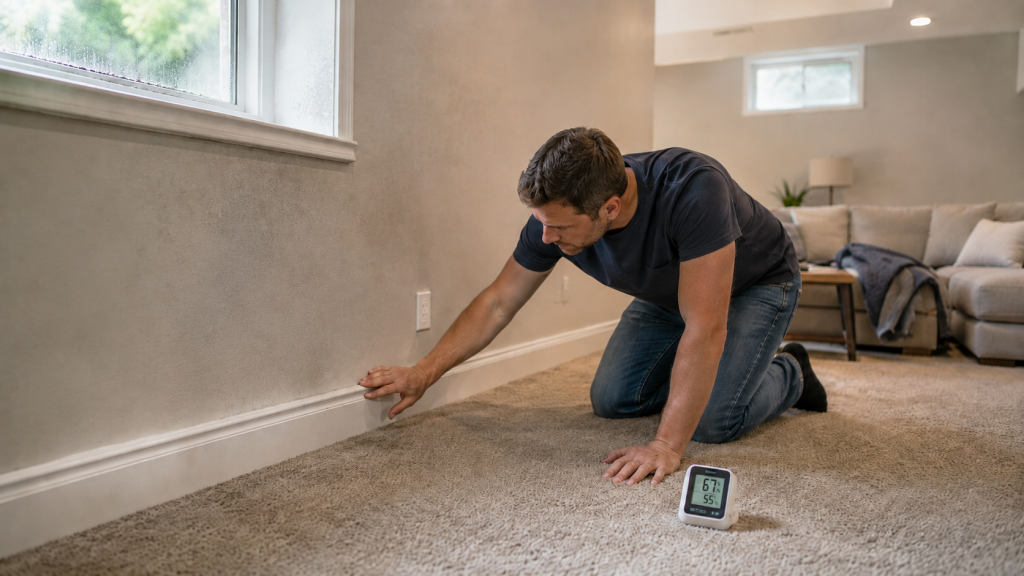
Mould is another hidden problem landlords can miss during turnover, especially after leaks, poor ventilation, blocked vents, or long periods without proper maintenance.
Health Canada states that indoor mould growth may pose a health hazard and recommends fixing water damage quickly and cleaning visible or concealed mould thoroughly.
This is important for May and summer turnover in Calgary because warmer months can expose moisture problems that built up through winter or spring. A unit may smell musty after furniture is removed, or mould may appear behind baseboards, under carpet, around windows, inside bathrooms, or near hidden leaks.
If mould is part of the concern, Mayken’s mold removal and remediation service can help assess and address the issue safely. For landlords, this is not just about making the unit look cleaner. It is about reducing risk before someone else occupies the space.
A Practical Move-Out Safety Check for Landlords
This is not a replacement for professional assessment, but it can help you decide when a normal turnover clean is not enough.
Before sending in cleaners, contractors, or staff, check:
- Odour
Chemical, smoke, rot, urine, sewage, or musty smells can signal hidden contamination. - Surfaces
Look for stains, residue, burn marks, unknown powders, sticky films, or discolouration. - Soft materials
Carpet, underlay, mattresses, couches, curtains, and fabric can absorb contaminants. - Bathrooms and kitchens
These areas often show signs of drug use, chemical disposal, water damage, and biological waste. - HVAC and airflow areas
Residue and odour can move through vents, filters, fans, and shared air pathways. - Left-behind items
Abandoned belongings can hide sharps, pests, bodily fluids, spoiled food, and other hazards. - Signs of pests
Rodent droppings and urine can create health concerns and should not be vacuumed or swept without care. - History of the tenant or property
Complaints, police involvement, neighbours’ reports, unpaid utilities, extreme neglect, or sudden abandonment can all change the risk profile.
If two or more of these apply, pause before treating the unit like a basic cleanout.
Why DIY Cleanup Can Create Bigger Problems
It is tempting to save money by sending in maintenance staff, contractors, or a regular cleaning company after a difficult tenant move-out. That decision can create larger problems later.
The issue is not only exposure. It is also how easily contamination spreads when the wrong cleanup methods are used.
For example:
- Sweeping unknown powder can push particles into the air
- Vacuuming contaminated debris can spread residue through the property
- Removing urine-soaked carpet without containment can expose subflooring and concrete
- Painting over odours can temporarily hide contamination instead of removing it
- Using the wrong disinfectant can leave bacteria or pathogens behind
- Handling sharps or paraphernalia improperly can create injury risks
- Cleaning mould without proper containment can spread spores into unaffected areas
In severe turnover situations, remediation teams often find contamination in places landlords did not expect:
- inside HVAC vents
- underneath laminate flooring
- behind appliances
- inside cabinets and drawers
- beneath pet cages or litter boxes
- underneath stacked belongings in hoarding situations
- inside porous furniture and mattresses left behind
This is one reason why hazardous property remediation is different from janitorial cleaning.
A property can smell cleaner and still remain unsafe.
The Canadian Centre for Occupational Health and Safety states that disinfectants should have a Drug Identification Number and that visible dirt should be removed before disinfectant is applied correctly. That point is easy to underestimate during rushed turnover cleanups.
For larger contamination situations, Mayken’s Property Cleaning and Remediation Services are designed to help landlords and property managers move from unsafe conditions toward documented remediation and safer occupancy.
When sanitization is also required after contamination has been addressed, Mayken’s Electrostatic Disinfection and Touchless Sanitizing services can support safer re-entry for staff, contractors, and future occupants.
When to Call Mayken Instead of a Standard Cleaner
A standard cleaner is the right fit for dust, dirt, and routine turnover. Mayken is the right call when the situation involves risk, uncertainty, or contamination.
Call Mayken if there are signs of:
- Drug residue or drug paraphernalia
- Suspected drug production or heavy drug use
- Blood, bodily fluids, or sharps
- Rodent droppings, urine, nesting, or infestation
- Mould or moisture damage
- Hoarding conditions
- Strong odours that do not match normal vacancy
- Abandoned waste, spoiled food, or biohazard materials
- A property that needs documented cleanup before re-rental, sale, or contractor access
Mayken’s property cleaning and remediation services are designed for these situations. The goal is not just to make the unit presentable. The goal is to help property owners, managers, and real estate contacts move forward with more confidence, better documentation, and fewer unanswered questions.
If hoarding is part of the situation, Mayken’s article on hoarding cleanup in Calgary is also worth reading. Hoarding-related turnovers often involve layered hazards, including blocked access, pests, waste, mould, and emotional sensitivity.
What Happens During a Professional Hazardous Property Cleanup?
Every property is different, but a proper cleanup usually follows a more careful process than a basic cleanout.
It may include:
- Site review and hazard identification
- PPE and containment planning
- Safe removal of contaminated items
- Cleaning and disinfection of affected areas
- Odour source reduction
- Handling of porous materials that cannot be safely restored
- Attention to high-touch and hidden areas
- Documentation where appropriate
- Recommendations for next steps
That last point matters for landlords. Documentation can support communication with insurance contacts, property managers, contractors, owners, or future decision-makers. It also helps separate assumptions from what was actually found and handled.
Costs can vary based on the size of the unit, type of contamination, access, disposal needs, testing requirements, PPE, labour, and urgency. For a deeper pricing breakdown, read Mayken’s guide to biohazard cleanup costs.
The Real Cost of Missing Hidden Contamination
The immediate cost of calling a hazmat team can feel high. The delayed cost of missing a hazard can be much higher.
Missed contamination can lead to:
- Delayed re-rental or sale
- Complaints from new tenants
- Exposure concerns for staff or contractors
- Odour returning after cosmetic work
- Failed remediation after renovations begin
- More costly removal once contamination spreads
- Reputational damage with tenants, owners, or buyers
- Added stress during an already time-sensitive turnover
For property managers, the most valuable cleanup is not always the cheapest one. It is the one that prevents the same issue from resurfacing after new flooring, paint, photos, showings, or occupancy.
That is the real purpose of calling a hazmat team early. It protects the next step.
Protecting Your Property Goes Beyond Surface Cleaning
Tenant turnover can expose much more than property damage. In some cases, landlords are dealing with contamination that affects safety, liability, re-rental timelines, and the health of everyone entering the space afterward.
Some hazards are obvious the moment the door opens. Others stay hidden inside flooring, vents, porous materials, or behind walls long after the visible mess is gone.
That is why severe move-out conditions should never be treated as “just another cleanup.”
If a property contains signs of drug residue, bodily fluids, mould, pests, hoarding conditions, abandoned waste, or other biohazard risks after tenant leaves, the safest next step is proper assessment before cleanup begins.
Mayken Hazmat Solutions works with landlords, property managers, realtors, estate contacts, and commercial property owners across Calgary and surrounding areas to help restore contaminated properties safely, discreetly, and with proper documentation.
If your team is dealing with an abandoned unit, eviction cleanup, suspected contamination, or a property that no longer feels safe to enter, contact Mayken before standard cleaning begins.