Most people never expect to deal with a biohazard. It is not something you plan for or talk about at the dinner table. It usually enters your life quietly, after an incident, a discovery, or a situation that does not feel safe to handle on your own. At first, it may look manageable. A strong smell. A mess that feels uncomfortable. Something that seems like it could be cleaned up with gloves and disinfectant.
That hesitation is common. It is also where risk tends to grow.
Biohazards are not just unpleasant. They can affect health, property value, legal exposure, and long-term safety. Knowing when to call a biohazard cleanup company can prevent small problems from turning into serious ones, especially in homes, vehicles, rental units, and commercial spaces.
This guide explains what qualifies as biohazard cleanup, when professional intervention is necessary, and why timing matters more than most people think.
Jump To:
What Counts as Biohazard Cleanup
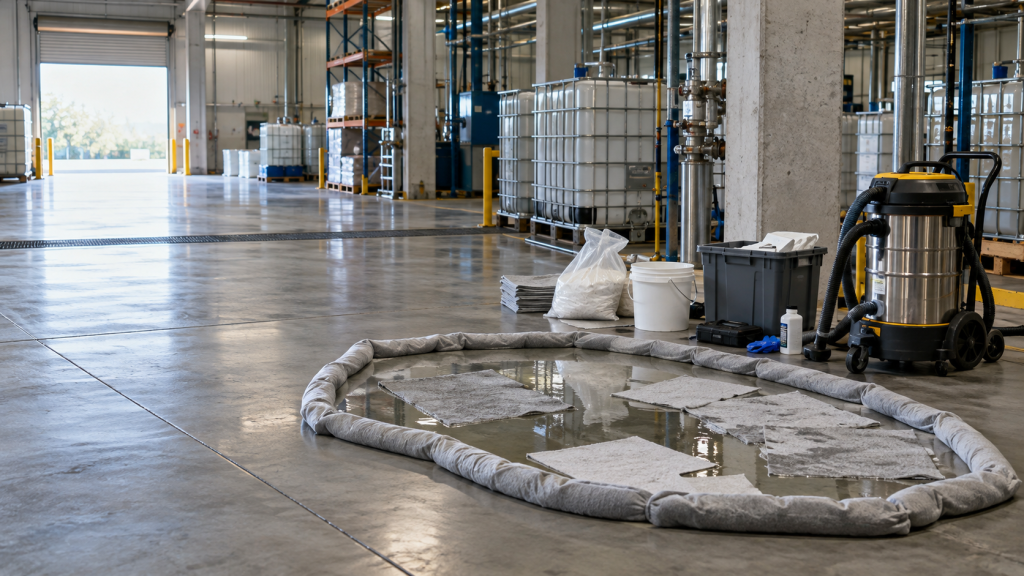
Biohazard cleanup involves materials that pose a risk to human health due to bacteria, viruses, toxins, or chemical exposure. These are not routine cleaning tasks. They require controlled handling, protective equipment, containment methods, and proper disposal.
Common biohazard situations include:
- Bodily fluids such as blood, urine, feces, or vomit
- Drug contamination, including fentanyl or meth residue
- Decomposition following unattended deaths
- Hoarding conditions involving waste or animal contamination
- Rodent droppings, nesting material, and urine
- Mold growth linked to moisture damage
- Sewage backups or contaminated floodwater
Health Canada identifies exposure to biological contaminants as a serious indoor air and surface risk, especially in enclosed environments. The Public Health Agency of Canada also notes that improper cleanup increases the chance of infection and long-term exposure effects.
This is why biohazard cleanup is treated differently than general cleaning. The goal is not surface appearance. The goal is safety, documentation, and risk control.
The Moment Cleaning Becomes Unsafe
Many people delay calling for help because the situation does not feel severe at first. The space may still be usable. The mess may be limited to one room. The smell may come and go.
Here are clear signs that a situation has crossed into biohazard territory.
When bodily fluids are involved
Any presence of blood or bodily fluids outside of a medical setting carries infection risk. Pathogens can survive on surfaces longer than most people realize. The CDC reports that certain viruses can remain active for days or weeks depending on surface type.
If bodily fluids are present and you are not trained or equipped to contain and disinfect them, that is a clear signal to stop and reassess.
When drug contamination is suspected
Drug residue is not always visible. Vehicles and properties used for drug activity can retain harmful particles in fabrics, vents, and surfaces. Fentanyl exposure in particular can be dangerous even in trace amounts.
If a vehicle or space may have been used for drug activity, professional handling is not optional. It is necessary. This is especially true for recovered vehicles or rentals that were unattended.
When strong odours persist
Persistent odours are often a sign of contamination below the surface. Decomposition, animal waste, mold, and chemical residue do not stay confined to what you can see.
Covering smells with cleaners or air fresheners does not solve the problem. It allows exposure to continue.
When rodents or pests are present
Rodents leave behind urine and droppings that carry bacteria and viruses such as hantavirus. Winter conditions often push rodents indoors, where contamination builds quietly.
Once rodent activity is confirmed, cleanup should involve containment and controlled removal.
Why Timing Matters More Than People Expect
One of the most common mistakes people make is waiting to see if a problem gets worse. Unfortunately, biohazards rarely stay contained.
Delays can lead to:
- Increased spread of contaminants
- Deeper penetration into materials
- Higher cleanup costs
- Greater health exposure
- Insurance or liability complications
A study published by the National Institutes of Health shows that microbial growth increases exponentially in untreated indoor contamination environments.
The longer contamination remains, the more it spreads through porous materials like drywall, carpets, insulation, and upholstery.
This is why knowing when to call a biohazard cleanup company early can protect both people and property.
Situations That Call for Immediate Action
Some scenarios require professional response right away. Waiting increases risk with no real benefit.
Unattended deaths
Any situation involving decomposition creates airborne and surface contamination that standard cleaning cannot resolve. This requires controlled removal, specialized equipment, and documentation.
Hoarding with biological waste
Hoarding environments often involve food waste, animal waste, and bodily fluids. These conditions carry both physical and emotional risk. Cleanup needs to be handled with care, discretion, and proper safeguards.
Sewage or contaminated water
Sewage contains harmful bacteria and parasites. DIY attempts often spread contamination further into the structure.
Post-incident trauma scenes
After accidents or violent events, biohazards may remain even after initial response. Cleanup must be thorough and handled with sensitivity.
Why DIY Cleanup Falls Short
Many people attempt cleanup on their own with good intentions. They want to move forward quickly or avoid calling in help. Unfortunately, DIY efforts often miss the real danger.
Household cleaners are not designed to neutralize all pathogens. Personal protective equipment purchased at retail stores does not offer the same level of protection as industrial-grade gear. Disposal methods may not meet regulatory requirements.
Biohazard cleanup is not about effort. It is about process, control, and verification.
What Happens During Professional Biohazard Cleanup
Professional biohazard cleanup follows a structured process designed to reduce exposure and document results.
Key steps typically include:
- Site assessment and risk identification
- Controlled containment of affected areas
- Removal of contaminated materials
- Surface treatment and disinfection
- Safe disposal following regulations
- Post-cleanup verification and reporting
This process protects occupants, property owners, and future users of the space.
For property-wide remediation and recovery, Mayken provides Property Cleaning and Remediation services.For environmental hazards involving chemicals or waste disposal, see here.
Mold and Moisture as Hidden Biohazards
Mold often begins quietly. Moisture buildup, leaks, or poor ventilation can trigger growth long before visible signs appear. Mold spores can affect indoor air quality and cause respiratory issues.
Health Canada notes that prolonged exposure to indoor mold can lead to ongoing health symptoms.
For insight into seasonal mold risk, especially during winter conditions, read.
When mold spreads beyond a small surface area, professional removal becomes necessary to prevent recurrence and exposure.
Mayken’s Mold Removal services are designed for safe containment and treatment.
Rental Properties and Shared Spaces
Landlords and property managers face unique challenges. Biohazards in rental units can impact tenant safety, legal responsibility, and property value.
Unattended units, move-outs, and winter vacancies increase risk. Delayed response can lead to disputes and costly remediation.
For seasonal planning insights, see this article.
Early intervention protects everyone involved.
Biohazard Cleanup Is Also About Documentation
Cleanup is not finished when a space looks clean. Proper documentation confirms that contamination was addressed using appropriate methods.
Reports may be needed for:
- Insurance claims
- Property sales
- Liability protection
- Tenant records
Documentation creates a clear record that cleanup was handled responsibly.
Choosing the Right Time to Call
The simplest rule is this: if a situation involves health risk, unknown contaminants, or lingering effects, it is time to call.
Trying to wait it out rarely saves money or effort. It usually adds complexity.
Calling early allows assessment, containment, and resolution before the situation escalates.
A Calm Path Forward
Biohazard situations can feel overwhelming. They often come with stress, uncertainty, and urgency. Taking the right step early can ease that pressure.
Mayken Hazmat Solutions supports property owners, families, businesses, and managers through careful, discreet biohazard cleanup backed by documented process and safety standards.
If you believe your situation may require biohazard cleanup, or you need clarity on when to call a biohazard cleanup company, the next step is a conversation.
Visit Mayken to request service or speak with a team member about your situation. Acting early protects health, property, and peace of mind.
Acting Early Protects More Than You Think
Biohazards do not announce themselves clearly. They tend to hide beneath surfaces, behind walls, and inside materials. Waiting allows exposure to grow quietly.
Knowing when to step back and call for support can prevent long-term consequences. Biohazard cleanup is not just about cleaning a space. It is about restoring safety and confidence in the environment you live or work in.
When the risk is unclear, early action is the safest move.